Roof Leaks and Mold in Elizabeth, NJ
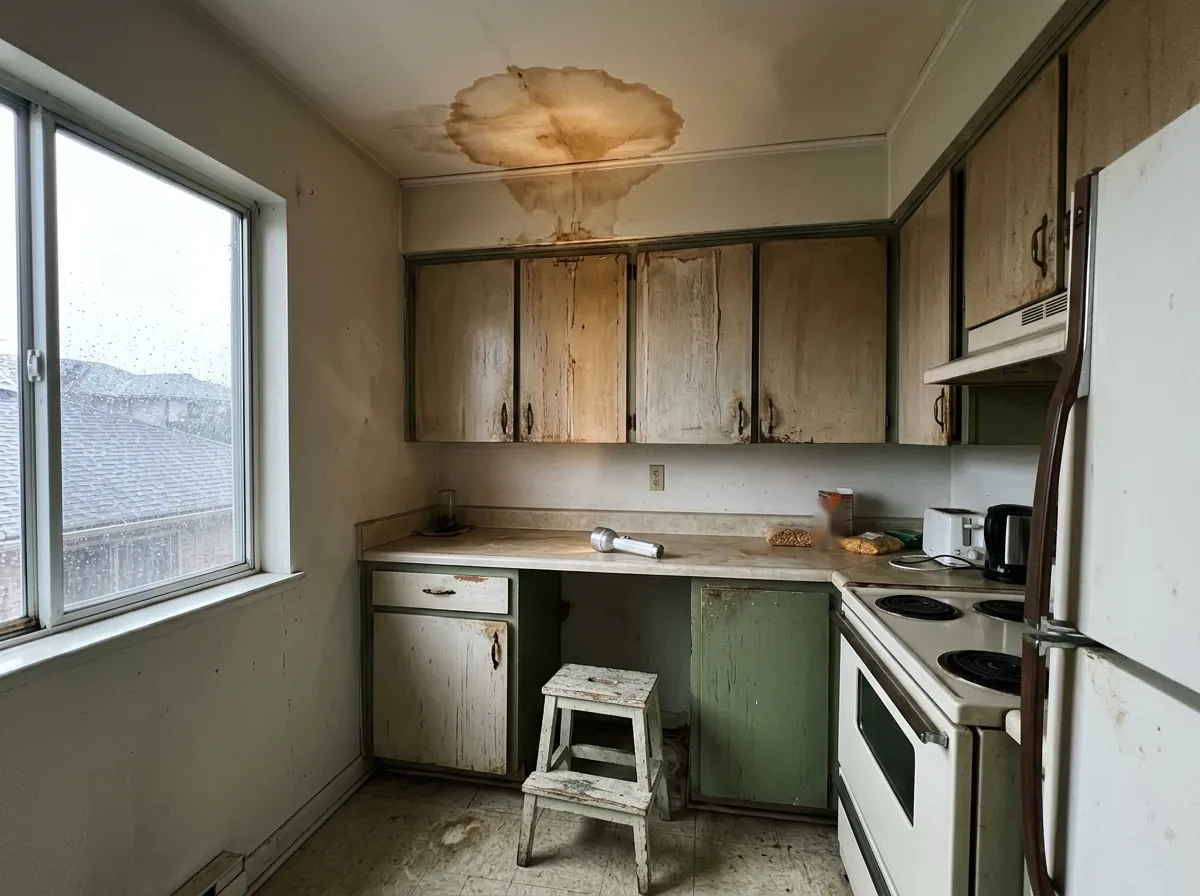
A roof leak doesn’t just stain a ceiling. Wet insulation, drywall and roof boards are where mold starts, and in Elizabeth’s older homes it can spread out of sight for months.
Call (908) 555-0142Homeowners and landlords: stop the leak first. Call to get connected with a local roofer.
What are the signs of mold from a roof leak?
- A musty, earthy smell in the attic or top-floor rooms.
- Dark spots or fuzzy growth on roof boards, rafters or the attic side of the ceiling.
- Stained, clumped or damp insulation.
- Ceiling stains that keep growing, bubbling paint or soft drywall.
- Frost or dripping on attic nails in winter, a sign of moisture that feeds mold.
- Allergy-like symptoms that ease when you leave the house.
Can mold from a roof leak make you sick?
It can, especially for some people. According to the CDC, mold exposure can cause stuffy nose, wheezing, and red or itchy eyes or skin, and people with asthma, allergies or weakened immune systems can have more serious reactions. Children and older adults are often more affected. If someone in your home has symptoms you think are linked to mold, talk to a doctor.
What should I do if I find mold after a roof leak?
- Stop the water first. Mold cleanup doesn’t last if the roof keeps leaking. See roof leak repair.
- Dry the area with fans and a dehumidifier, and keep the attic ventilated.
- Remove wet porous materials like soaked insulation, ceiling tiles and drywall that can’t be dried.
- Know when to call a professional. The EPA says small areas (less than about 10 square feet) are often a do-it-yourself job; larger areas, or mold in heating and cooling ducts, usually call for a professional.
- Protect yourself with gloves, goggles and an N-95 respirator if you clean small areas.
- Don’t just paint over it. Paint and bleach on the surface don’t fix mold growing behind it.
A roofer fixes the leak; a mold remediation company handles large cleanups. Many jobs need both. Water pouring in right now? See emergency roof repair.
Is it a roof leak or attic condensation?
Not all attic mold comes from leaks. In winter, warm, moist air from the house can condense on cold roof boards, especially when bath fans vent into the attic or the attic isn’t ventilated well. The clue: condensation mold is spread evenly across the roof boards, often on the north side, while leak mold is concentrated around one wet spot. Both need fixing; they just need different fixes. Top-floor mold under a flat roof? See flat roof repair.
Rental property in Elizabeth: who deals with roof-leak mold?
Landlords: New Jersey landlords must keep rental units fit to live in, and a leaking roof with mold is a habitability issue. Fix the leak and the water damage quickly, and keep records of what you did and when. More on landlord duties on our roof repair in Elizabeth page.
Tenants: report the leak and any mold to your landlord in writing and keep copies and photos. If it isn’t addressed, you can contact the City of Elizabeth’s code enforcement or health office.
Does homeowners insurance cover mold from a roof leak?
Often only in limited cases. Many policies exclude or cap mold coverage, and cover it mainly when it results from a covered, sudden event that was reported promptly. Mold from a slow, long-running leak is usually treated as a maintenance issue. Check your policy’s mold provisions.
Roof leak mold: questions
Will mold go away once the leak is fixed?
No. Fixing the leak stops new growth, but existing mold on wood, insulation or drywall still needs to be cleaned or removed once the area is dry.
Can I stay in my home with attic mold?
Usually, if the area is small and sealed off from living spaces. If people are having symptoms, or mold is spreading into living areas or ducts, get it assessed promptly.
Do I need a mold test?
The EPA notes that if you can see or smell mold, testing usually isn’t needed; the priority is fixing the moisture and cleaning up.
Updated October 2026 · Written by the Roof Repair Prime Editorial Team · Contact: info@roofrepairprime.com · Privacy Policy · Terms